Posted on Leave a comment

Free Music Creation Tools: The Ultimate Resource for Recording Artists

Creating music has never been more accessible. Whether you’re recording vocals at home, producing beats, mixing a track, or designing album art, there are powerful tools available completely free. This guide compiles some of the best free tools available for musicians, producers, and recording artists.

From full Digital Audio Workstations to mastering tools and songwriting helpers, these resources can help you create professional music without spending a dime.


🎛 Free Digital Audio Workstations (DAWs)

DAWs are the backbone of music production. These programs allow you to record, arrange, edit, and mix music.

  • Cakewalk by BandLab
    A full professional DAW previously sold as SONAR Platinum. Unlimited tracks, professional mixing tools, MIDI editing, and advanced production capabilities.

  • Waveform Free
    A powerful modern DAW with unlimited tracks and a clean workflow. Great for beginners and advanced producers alike.

  • LMMS
    A free open-source music production suite perfect for electronic music producers, beat makers, and MIDI composition.

  • Audacity
    A classic free audio editor ideal for recording vocals, editing audio, and basic mixing.

  • Ardour
    A professional-grade open-source DAW focused on recording, editing, and mixing audio.

đŸŽč Free Virtual Instruments

Virtual instruments allow you to create drums, synths, orchestras, and more directly inside your DAW.

  • Spitfire LABS
    One of the best collections of free instruments including pianos, strings, pads, and experimental textures.

  • Vital
    A powerful wavetable synthesizer comparable to premium synths used in professional EDM production.

  • Surge XT
    An extremely powerful open-source synthesizer with hundreds of presets and deep sound design tools.

  • Komplete Start
    Native Instruments’ free bundle of instruments, sounds, and effects.

đŸ„ Free Drum Machines & Beat Tools

  • BandLab
    A free online DAW with drum machines, loops, collaboration tools, and cloud storage.

  • Sampulator
    A fun browser-based drum sampler triggered with your keyboard.

  • Drumbit
    Simple online drum machine perfect for quick beat creation.

🎚 Free Mixing & Mastering Plugins

Plugins help shape your sound with EQ, compression, saturation, and mastering tools.

  • Tokyo Dawn Labs
    Excellent free EQs, compressors, and mastering tools used by professional engineers.

  • MeldaProduction FreeFX Bundle
    A massive bundle of professional mixing plugins including EQ, compression, stereo tools, and analyzers.

  • Voxengo Free Plugins
    Highly respected plugins including SPAN, one of the best free spectrum analyzers available.

  • MJUC Jr.
    A fantastic analog-style compressor plugin.

đŸŽŒ Free Songwriting Tools

  • Hookpad
    Interactive songwriting tool for chord progressions and melody writing.

  • Scales & Chords
    A helpful reference for musicians learning music theory.

  • RhymeZone
    Essential lyric writing tool for finding rhymes and word associations.

  • ChordChord
    AI-assisted chord progression generator.

🎧 Free Online Mastering

  • BandLab Mastering
    Free automated mastering with multiple sound profiles.

  • LANDR
    AI mastering platform with a free preview tier.

🎹 Free Cover Art & Visual Design Tools

  • Photopea
    A browser-based Photoshop alternative perfect for album artwork.

  • Canva
    Simple graphic design tool great for social media posts and cover art.

  • GIMP
    A powerful open-source image editing program.

🎬 Free Video Tools for Music Promotion

  • CapCut
    Popular free video editor used for social media and music videos.

  • Blender
    A powerful 3D animation and video editing program for creating stunning visuals.

  • DaVinci Resolve
    Professional-level video editing and color grading software used in Hollywood.

đŸŽ€ Free Distribution & Collaboration Tools

  • SoundCloud
    A classic platform for sharing music and building a fanbase.

  • Audius
    A decentralized streaming platform designed for independent artists.

  • BandLab Collaboration
    Collaborate with other musicians worldwide in real time.

Final Thoughts

There has never been a better time to be an independent artist. With these free tools, you can record, produce, mix, master, design artwork, and promote your music without needing an expensive studio.

The biggest limitation today isn’t technology — it’s creativity and persistence. If you’ve got the ideas, these tools will help you bring them to life.

Know another great free tool for musicians? Share it with us and help expand the list!
Posted on Leave a comment

Best AI Music Creation Tools (2026 Guide)

Artificial intelligence has become one of the most powerful tools available to modern musicians. What once required expensive studios, session musicians, and hours of production can now begin with a simple text prompt.

Whether you’re experimenting with songwriting, creating background music for videos, or building full songs from scratch, today’s AI music generators can dramatically speed up the creative process.

Here are some of the best AI music creation tools available right now.


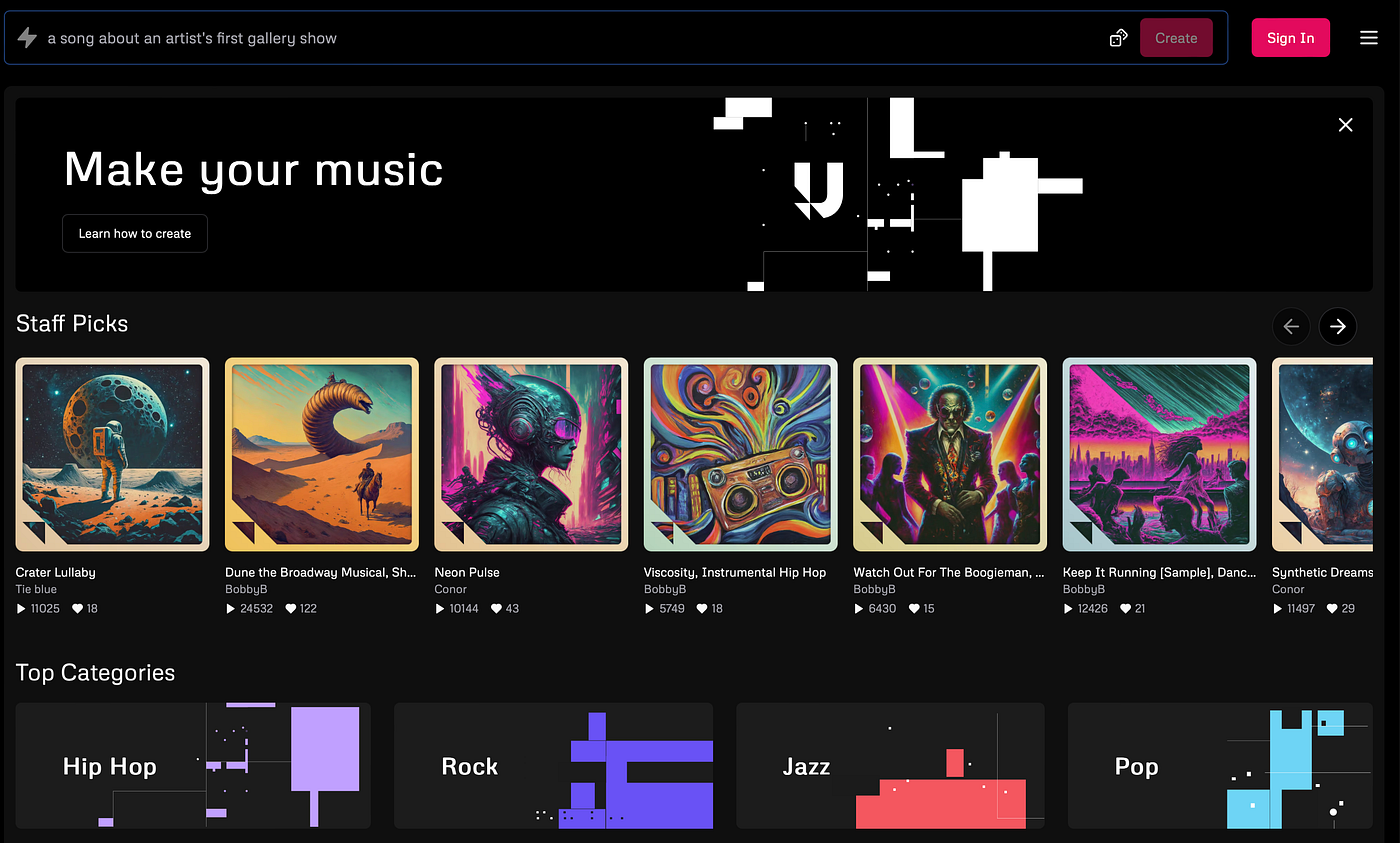
Suno

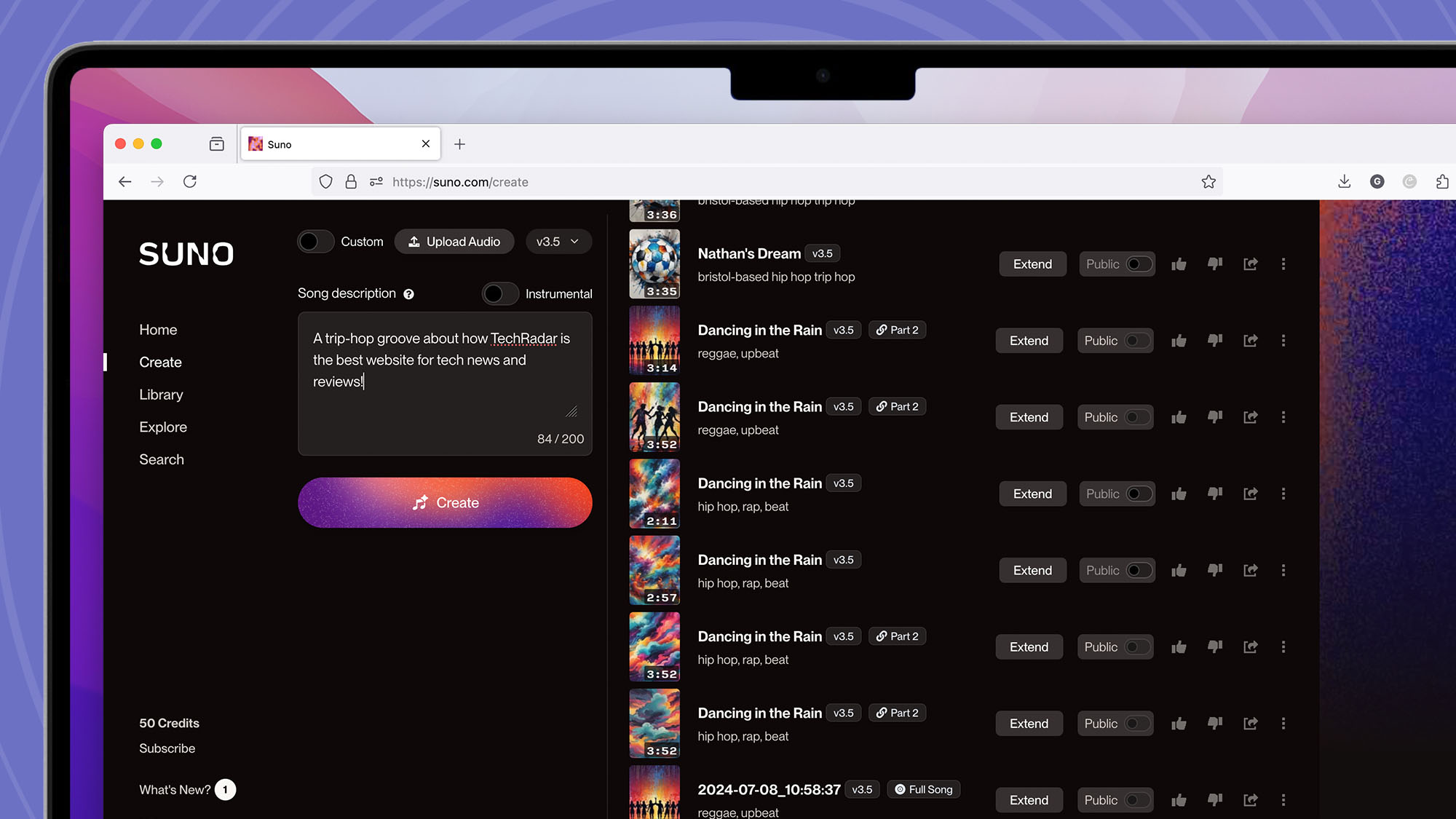
Suno AI music generator interface

Suno is currently one of the most popular AI music generators available. It allows users to create complete songs—including vocals, lyrics, and instrumentation—using simple prompts.

For example, you can type a prompt like:

Indie rock song about driving at night with nostalgic male vocals.

Within seconds, Suno generates a fully produced track.

Highlights
  • Creates full songs with vocals and lyrics
  • Wide variety of genres
  • Extremely easy to use
  • Fast generation times

For creators who want a finished song quickly, Suno is widely considered one of the best AI music tools available today.


Udio

Udio AI music generator interface

Udio is often seen as Suno’s biggest competitor and is known for producing higher-fidelity audio and cleaner mixes.

Instead of generating an entire song instantly, Udio allows users to build songs piece by piece and extend them over time. This provides more creative control over the final arrangement.

Highlights
  • High quality audio output
  • Strong song structure
  • Instrument separation
  • Song extension and remix tools

Musicians who want more hands-on control during the creation process often prefer Udio.


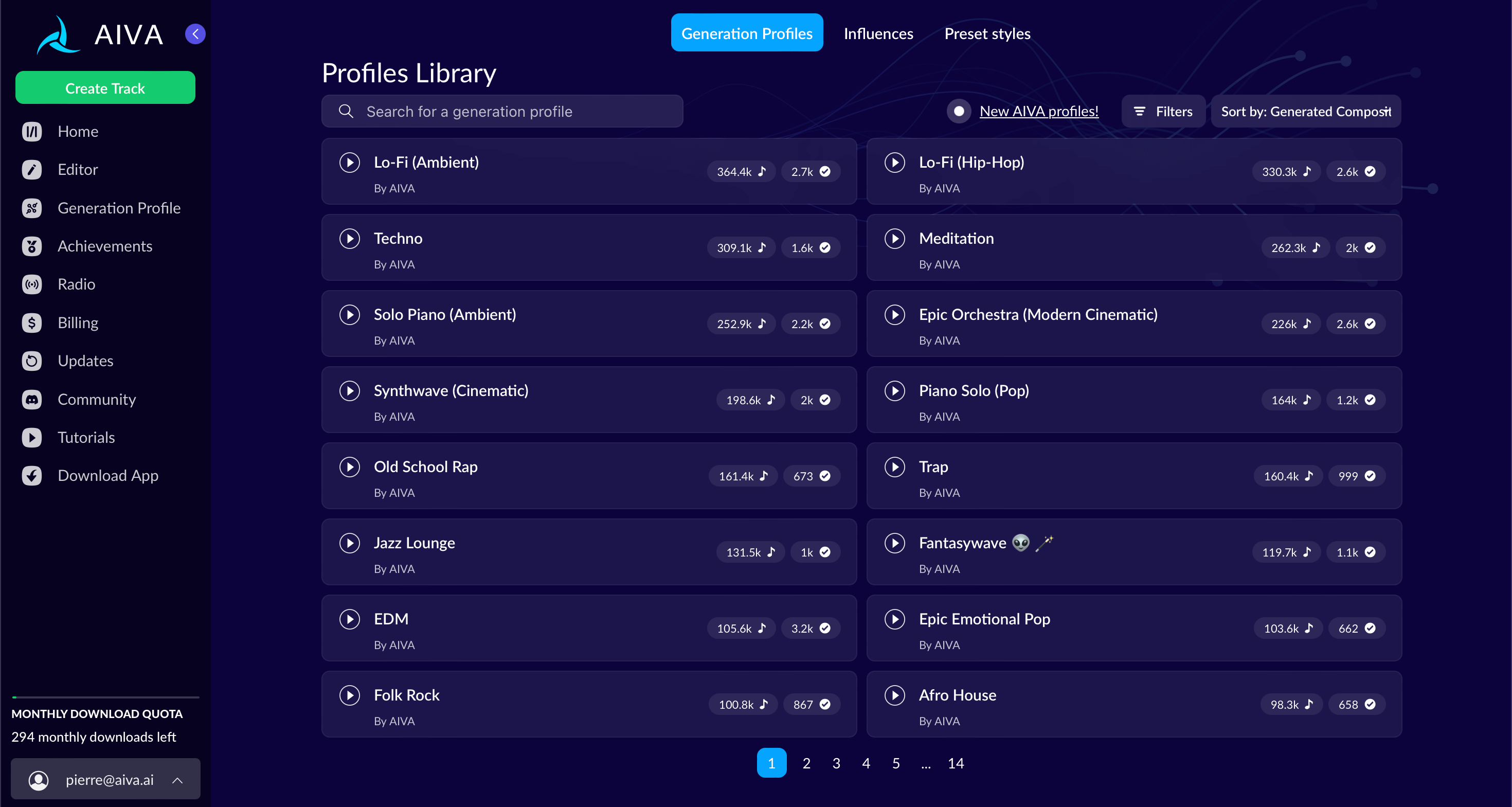
AIVA

AIVA AI composer interface

AIVA focuses on composing instrumental and orchestral music rather than pop songs with vocals.

It is widely used for film scoring, video games, cinematic trailers, and other visual media.

Highlights
  • Excellent orchestral compositions
  • MIDI export for editing in a DAW
  • Good for film and game soundtracks
  • Commercial licensing options

If you need cinematic background music, AIVA is one of the best AI composers available.


Soundraw

Soundraw AI music generator interface

Soundraw is designed for creators who need customizable background music for videos, podcasts, and streaming content.

Instead of relying only on prompts, Soundraw allows you to control elements such as mood, tempo, instruments, and song length.

Highlights
  • Royalty-free music generation
  • Customizable mood and tempo
  • Great for YouTube creators
  • Easy editing controls

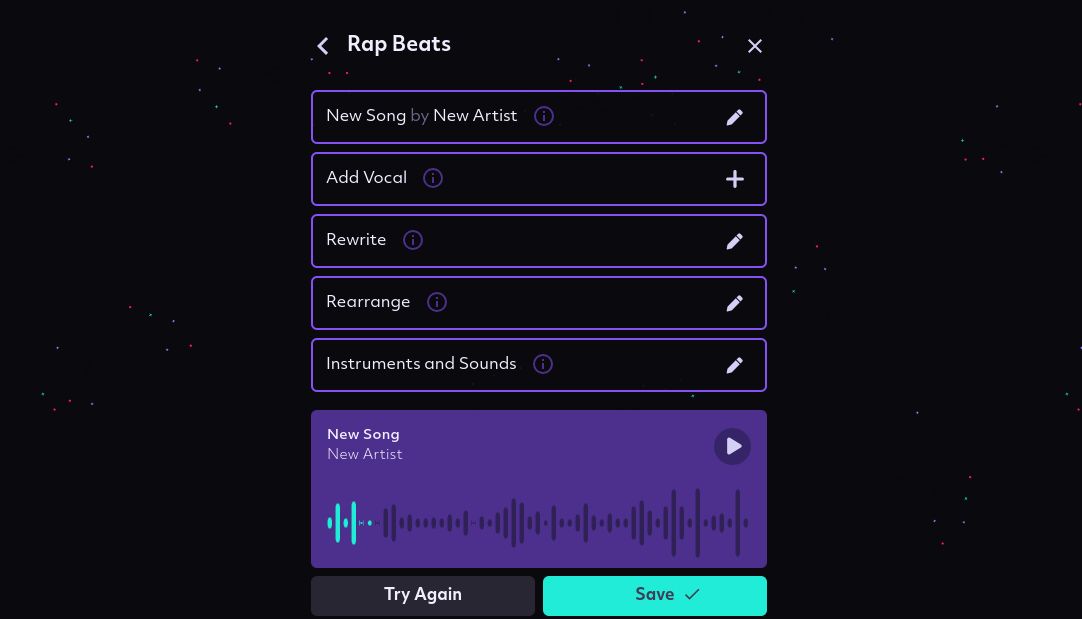
Boomy

Boomy AI music generator interface

Boomy is one of the simplest AI music tools available. With just a few clicks, users can generate a song and publish it directly to streaming platforms.

Highlights
  • One-click song creation
  • Beginner-friendly interface
  • Built-in music distribution
  • Fast experimentation

Final Thoughts

AI isn’t replacing musicians — it’s becoming another tool in the creative toolbox.

The most effective approach is AI-assisted music creation, where artists:

  • Generate ideas using AI
  • Edit and refine tracks in a DAW
  • Add vocals, instruments, or mixing themselves

Used this way, AI can dramatically accelerate the songwriting process while still leaving plenty of room for human creativity.


Quick Recommendations

  • Best overall: Suno
  • Best audio quality: Udio
  • Best orchestral composer: AIVA
  • Best for video creators: Soundraw
  • Best for beginners: Boomy
Posted on Leave a comment

How AI Tools Like Gemini and ChatGPT Are Transforming Independent Music Production

For decades, recording music required expensive studio time, specialized engineers, and deep technical knowledge of production tools. Today, independent musicians have access to something just as powerful: AI assistants like ChatGPT and Gemini.

Far from replacing creativity, these tools help artists work faster, solve problems, and stay focused on making music. For independent artists recording in home studios, AI has become one of the most useful tools in the modern music workflow.


1. Songwriting Assistance and Idea Generation

One of the biggest challenges musicians face is simply getting started.

AI assistants can help jump-start creativity by generating:

  • Lyric ideas
  • Rhyming suggestions
  • Alternate lines
  • Song titles
  • Chord progression ideas

A songwriter experiencing writer’s block can ask for rhymes, metaphors, or thematic variations. Instead of staring at a blank page, artists now have an interactive brainstorming partner available instantly.

This doesn’t replace the songwriter — it simply accelerates the creative process.


2. Production and Recording Guidance

Not every independent musician has access to a recording engineer. AI assistants help bridge that gap by providing instant production advice such as:

  • Microphone placement suggestions
  • Mixing tips
  • EQ starting points
  • Compression settings
  • Mastering chain recommendations

When artists run into problems like muddy vocals or weak drum punch, AI tools can quickly suggest technical solutions that might otherwise require hours of research.

This makes professional-quality recording far more accessible to home studios.


3. Learning Recording and Music Theory Faster

Independent musicians often wear many hats: songwriter, producer, mixing engineer, and marketer.

AI assistants act like an on-demand tutor. Musicians can ask questions like:

  • Why does my mix sound muddy?
  • How do I EQ acoustic guitar?
  • What chord progressions work in a minor key?

Instead of digging through forums and videos, artists receive clear explanations tailored to their situation.


4. Marketing and Promotion Support

Recording music is only half the battle. Independent artists also need to promote their work.

AI tools can help musicians create:

  • Social media captions
  • YouTube descriptions
  • Blog posts
  • Artist bios
  • Press releases

They can also generate ideas for short-form content on platforms like YouTube Shorts, TikTok, and Instagram Reels, which play a huge role in music discovery.

For artists without marketing teams, AI effectively becomes a digital assistant for promotion.


5. Workflow and Productivity

Creative energy is valuable. The less time spent on repetitive tasks, the more time artists can dedicate to music.

AI assistants can help with:

  • Organizing recording sessions
  • Planning album releases
  • Generating track documentation
  • Creating content calendars

This allows musicians to stay organized while keeping their focus on creativity.


AI Is a Tool — Not a Replacement for Musicians

Some critics dismiss AI tools as shortcuts, but the reality is simple: they are tools, just like DAWs, drum machines, and synthesizers were when they first appeared.

Musicians still write the songs, perform the music, and make the creative decisions. AI simply helps them work more efficiently and solve problems faster.

For independent artists without large budgets or studio teams, tools like ChatGPT and Gemini provide something incredibly valuable: access to knowledge that was once limited to professionals.


The Future of Independent Music Production

The independent recording industry has always evolved alongside technology. Multitrack recording, digital audio workstations, and home studios all revolutionized music creation.

AI assistants represent the next step in that evolution.

For musicians willing to embrace new tools, the possibilities are enormous: faster songwriting, smarter production, better promotion, and ultimately more music reaching more listeners.

And at the end of the day, that’s what every artist wants.

Posted on Leave a comment

Does AI Waste Water? The Truth Behind the Viral AI Water Panic

Every few months the internet discovers a new reason to panic about artificial intelligence.

This time the claim is that AI is secretly wasting massive amounts of water every time someone generates text, images, or music.

The statistic spreads quickly across social media. Memes appear. Comment sections fill with confident declarations that AI is “draining the planet.”

The problem? The claim is widely misunderstood.

No, AI Is Not Drinking Water

Artificial intelligence itself does not consume water.

The water people are referring to comes from cooling systems used in data centers. Servers generate heat when performing heavy workloads, and cooling systems help regulate those temperatures.

The same type of infrastructure powers nearly everything online today, including:

  • video streaming
  • cloud storage
  • online gaming
  • web hosting
  • social media

If you have ever streamed a movie, uploaded photos to the cloud, or stored files online, you have used the exact same type of server infrastructure.

The Statistic That Went Viral

The number most often cited online suggests that generating a few dozen AI responses could indirectly require roughly 500 milliliters of water for cooling infrastructure.

Without context, that number sounds alarming.

But context changes everything.

How AI Water Use Compares to Everyday Products

Many everyday products require dramatically more water during production.

  • Producing one pound of beef can require about 1,800 gallons of water.
  • Manufacturing a cotton T-shirt can require around 700 gallons.
  • Brewing a single pint of beer can require roughly 20 gallons.
  • Hundreds of AI prompts may equal roughly one bottle of water used for cooling.

This doesn’t mean AI has zero environmental impact. Every technology uses resources.

But when the numbers are placed in context, the idea that chatting with an AI assistant is draining the planet’s water supply starts to look a lot less dramatic.

The Internet Loves a Simple Villain

Every new technology goes through a phase where alarming statistics spread faster than nuanced explanations.

Cloud computing was once blamed for destroying the environment. Video streaming was supposedly going to overload the internet. Cryptocurrency was treated as an energy apocalypse.

Now artificial intelligence is the latest target.

The pattern is familiar: a real statistic appears, gets stripped of context, and spreads until it becomes something very different from the original research.

Data Centers Are Becoming More Efficient

Modern data centers are constantly improving how they manage cooling and energy usage.

Many facilities now use:

  • closed-loop cooling systems
  • recycled or non-potable water
  • advanced air cooling technologies
  • renewable energy infrastructure

These improvements significantly reduce the environmental footprint compared to earlier generations of server infrastructure.

The Reality

Artificial intelligence does have environmental costs, just like every computing technology.

But the viral claim that AI is secretly draining massive amounts of drinking water simply does not hold up when the full context is considered.

AI runs on the same data center infrastructure that already powers the modern internet.

In other words, if you use the internet at all, you are already using the systems that run AI.

The real story isn’t an environmental catastrophe. It’s a misunderstanding amplified by viral headlines.


Frequently Asked Questions

Does AI actually use water?

AI itself does not consume water. Water is sometimes used in data center cooling systems that keep servers from overheating.

How much water does AI use?

Some estimates suggest that dozens of AI prompts could indirectly require about half a liter of water used by cooling systems. Spread across many requests, the per-use impact is relatively small.

Do data centers waste water?

Most modern data centers aim to minimize water use through closed-loop systems, recycled water, and improved cooling technologies.

Is AI bad for the environment?

Like any large computing system, AI requires energy and infrastructure. However, its environmental impact is often exaggerated when statistics are presented without context.

Posted on Leave a comment

Meet spiderkief

If you like music that blends personality, humor, and raw creativity, it’s time to check out Spiderkief.
Spiderkief is an independent artist creating original songs that pull inspiration from everyday life, nostalgia, and offbeat storytelling. Instead of chasing trends, the music leans into personality—mixing catchy hooks, clever lyrics, and a style that feels both familiar and unexpected.
From laid-back grooves to playful throwback vibes, Spiderkief’s tracks carry the spirit of someone who simply loves making music and sharing it with the world. It’s the kind of sound that reminds you music doesn’t always have to be polished and predictable to be fun and memorable.
If you enjoy discovering independent artists before everyone else does, now’s the perfect time to dive in.
🎧 Listen to Spiderkief on Spotify and add your favorite tracks to your playlists.
New listeners, old-school music lovers, and curious explorers alike—there’s something waiting for you in the Spiderkief catalog.

Posted on Leave a comment

AI Slop?

Every time someone posts something created with AI assistance, there’s always at least one genius in the comments typing the same two words:


“AI slop.”


That’s it.
No critique.
No discussion.
No understanding of the process.
Just the intellectual equivalent of a caveman grunt.


Here’s the reality: AI is a tool.
A brush doesn’t paint by itself.
A guitar doesn’t write songs.
A camera doesn’t compose photographs.
People do.


Throughout history, every creative advance has been mocked by people who didn’t understand it.


When synthesizers showed up:
“Not real music.”


When drum machines appeared:
“Lazy musicians.”


When digital recording arrived:
“Soulless.”


When sampling became popular:
“Cheating.”


Funny thing is, all of those tools went on to shape entire genres.
AI is no different.


Some people will use it badly.
Some people will use it brilliantly.
That’s how tools work.


But reducing every AI-assisted creation to “slop” doesn’t make you insightful.


It just tells everyone you stopped thinking the moment something new showed up.


The future of creativity isn’t humans or AI.
It’s humans using AI.


And the people who understand that will be the ones actually making things—while the comment section philosophers keep typing the same two words over and over.

Posted on Leave a comment

The Debate on AI in Music

AI-assisted music has sparked intense debate within the music community. Some artists see it as an exciting creative tool, while others worry about its impact on musicianship and authenticity.
This conversation is important—and it’s not new.


Why Some Musicians Are Skeptical


Many concerns about AI-assisted music are understandable. Common criticisms include:


đŸ€”Fear that AI will replace musicians


đŸ€šConcerns about originality and creativity


đŸ«€Ethical questions around training data


đŸ«šWorries that music may become overly automated


These concerns deserve serious discussion as the technology develops.


A Familiar Reaction to New Technology


However, the music industry has seen similar reactions before.
When synthesizers emerged in the 1970s, many musicians believed they would eliminate traditional instruments.


đŸ„Drum machines faced the same criticism in the 1980s.


đŸŽ›ïžSampling sparked legal and artistic debates in the 1990s.


Yet all of these technologies eventually became standard tools in music production.


Tools vs. Creativity


A tool doesn’t determine the quality of music—the artist does.
Great songs have been written on acoustic guitars, analog synthesizers, laptops, and smartphones. What matters most is the creative vision behind the work.
AI tools simply add another option for artists exploring new ways to create.


The Future Will Likely Be Hybrid


The most realistic future for music creation is not fully automated AI, nor purely traditional production.
Instead, many artists will combine:


đŸŽčTraditional instruments


đŸ’»Digital production tools


đŸŽšïžAI-assisted creative workflows


Each musician will decide how much technology fits their process.


Keeping the Conversation Open


As AI tools continue to develop, the music community will keep debating their role.
Open discussion—rather than dismissal or hype—will help artists decide how these tools can be used responsibly and creatively.
Music has always evolved with technology.
AI may just be the next chapter.

Posted on Leave a comment

AI-Assisted Music: The Next Evolution in Music Creation


Artificial intelligence is quickly becoming part of the modern music workflow. Rather than replacing musicians, AI-assisted music tools help artists write, produce, and experiment more efficiently.
For independent creators especially, these tools can remove many of the traditional barriers to music production.
What Is AI-Assisted Music?


AI-assisted music refers to software that helps musicians generate ideas or speed up parts of the creative process.


Common uses include:


💎Generating chord progressions or melodies


💎Assisting with lyric ideas


💎Creating backing tracks or arrangements


💎Improving mixing and production


💎Speeding up repetitive production tasks


In most cases, the artist still directs the creative process while AI acts as a tool.


Benefits for Independent Artists


AI tools can make music creation more accessible and practical. Key advantages include:


💎Faster idea development – Prototype songs quickly.


💎Lower production costs – Reduce dependence on expensive studio time.


💎Creative exploration – Experiment with new sounds and styles.


💎Accessibility – Help new musicians start creating.


For independent musicians working without large budgets, AI can be a powerful creative assistant.


AI in the Context of Music History


Technology has always shaped music. When synthesizers, drum machines, and digital recording first appeared, many critics believed they would harm music.Instead, those innovations created entirely new genres.
AI-assisted music may simply be the next step in that ongoing evolution.


The Human Element Still Matters


Even with advanced tools, music still depends on human creativity.
Emotion, storytelling, and artistic direction come from the artist—not the software.
AI can help generate possibilities, but the vision behind the music remains human.

Posted on Leave a comment

Friday Night Forever

Friday Night Forever is now streaming on Spotify.

The song tells the story of Clayton, a hardworking farm kid and hometown football star in a small Friday-night town. With the wheat harvest behind him and the championship game ahead, Clayton carries the hopes of the town—and the love of Charlotte, who cheers for him every game.

But on the way to that final Friday night, fate intervenes.

What remains is a story of young love, small-town pride, and a moment in time that never fades. For Charlotte and the town that watched him play, Clayton’s memory lives on.

In a Friday night town, some legends never end.

For them, it will always be Friday Night Forever.

Streaming now on Spotify. đŸŽ”

Posted on Leave a comment

Throwback Days on Spotify

“Throwback Days” is a song about looking back at the moments that quietly shape our lives.
The small things — old streets, familiar songs, people who were there for a season — have a way of staying with us long after the moment has passed.
This track leans into that feeling of nostalgia and reflection, when the past feels both distant and strangely close at the same time.
Sometimes a song is just a song.
Sometimes it’s a memory.