
Artificial intelligence is quickly becoming part of the modern music workflow. Rather than replacing musicians, AI-assisted music tools help artists write, produce, and experiment more efficiently.
For independent creators especially, these tools can remove many of the traditional barriers to music production.
What Is AI-Assisted Music?
AI-assisted music refers to software that helps musicians generate ideas or speed up parts of the creative process.
Common uses include:
💎Generating chord progressions or melodies
💎Assisting with lyric ideas
💎Creating backing tracks or arrangements
💎Improving mixing and production
💎Speeding up repetitive production tasks
In most cases, the artist still directs the creative process while AI acts as a tool.
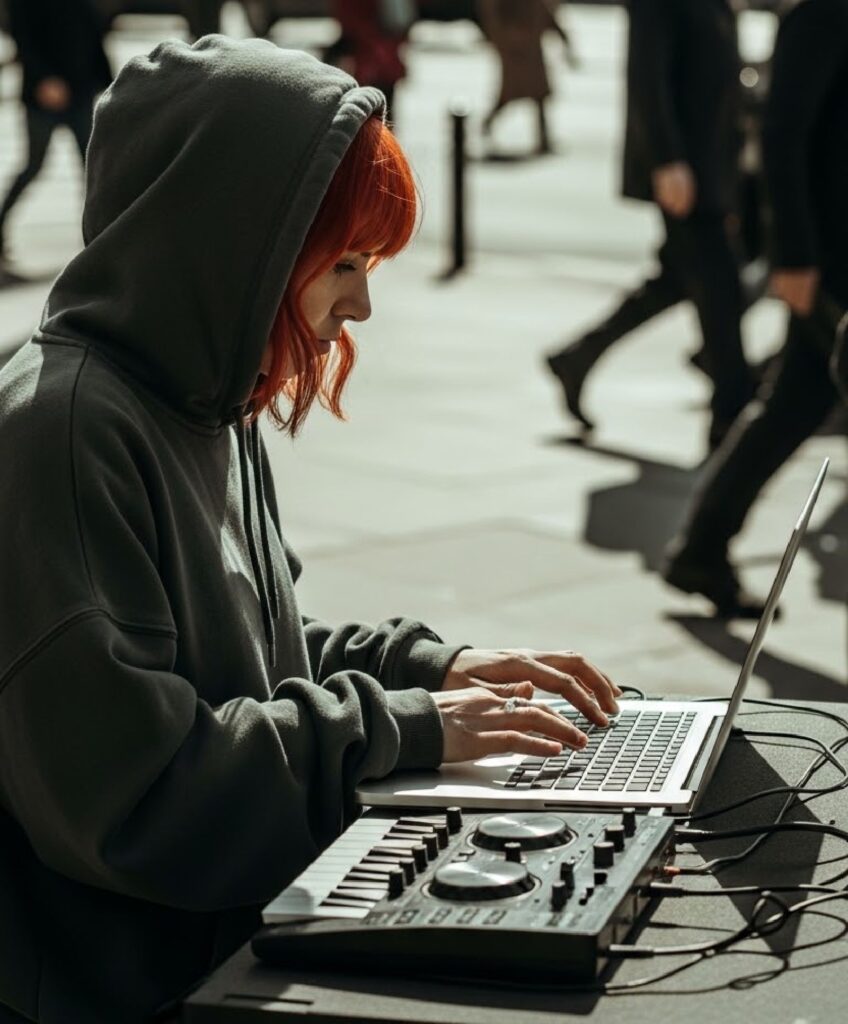
Benefits for Independent Artists
AI tools can make music creation more accessible and practical. Key advantages include:
💎Faster idea development – Prototype songs quickly.
💎Lower production costs – Reduce dependence on expensive studio time.
💎Creative exploration – Experiment with new sounds and styles.
💎Accessibility – Help new musicians start creating.
For independent musicians working without large budgets, AI can be a powerful creative assistant.
AI in the Context of Music History
Technology has always shaped music. When synthesizers, drum machines, and digital recording first appeared, many critics believed they would harm music.Instead, those innovations created entirely new genres.
AI-assisted music may simply be the next step in that ongoing evolution.
The Human Element Still Matters
Even with advanced tools, music still depends on human creativity.
Emotion, storytelling, and artistic direction come from the artist—not the software.
AI can help generate possibilities, but the vision behind the music remains human.